AI · Midjourney v7, Nano Banana, Stable Diffusion XL
Using AI concept generators without wrecking your archviz workflow
Midjourney, Nano Banana, and Stable Diffusion have a real place in a professional archviz pipeline, but only if you know what they are and are not good at.
 AI
AIEvery studio I know is using some form of AI image generation now, and most of them are using it badly. Either they treat it as a replacement for lookdev, which it is not, or they refuse to touch it on principle, which leaves quality on the table. The honest position is that AI concept generators are excellent for two things and terrible for a third, and knowing the difference matters.
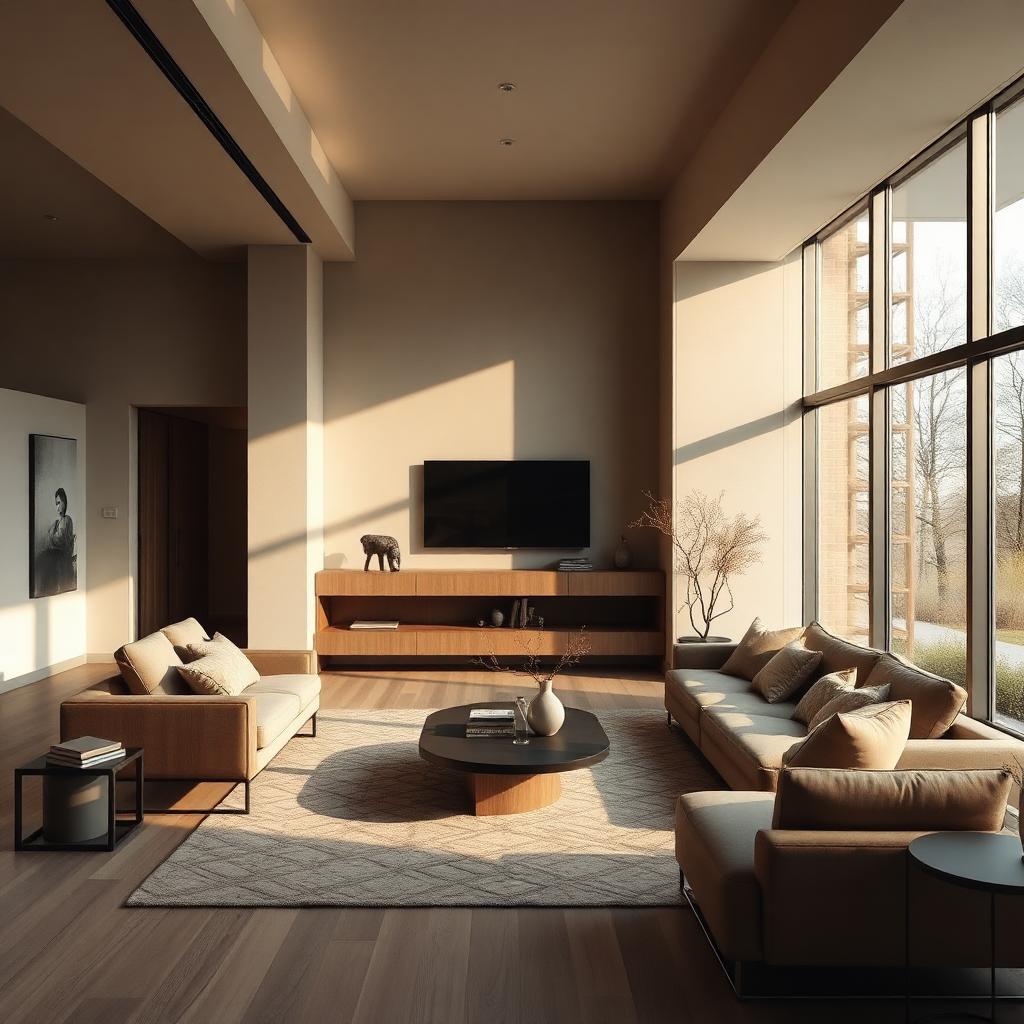
The first place AI generators earn their keep is the client concept phase. Before the 3ds Max scene exists, before anyone has modelled anything, the architect and the client are trying to agree on mood, material palette, and general form. Sketching that traditionally takes an artist a full day of hand rendering or a few hours of rough SketchUp with post overlay. Nano Banana or Midjourney v7 can produce ten strong mood options in twenty minutes, and the client conversation happens with real images in the room instead of vague adjectives.
The second place AI helps is entourage and background element libraries. Generating a plausible but non specific human figure in a specific pose, a background city skyline that does not exist as a real skyline, or a species specific tree at a particular time of day is faster in Stable Diffusion with a good architectural LoRA than sourcing and cleaning up a stock photo. The output is not final quality yet, but it is comfortably good enough to use as a mid or back plate element with modest post work.
The place AI generators are genuinely bad is producing a client final hero image of a real building that has to be accurate. The failure mode is simple. Diffusion models hallucinate geometry that is close to your reference but not the same. Window mullion counts drift, cornice profiles blur, and the specific facade materials become something adjacent but not identical. When the client compares the AI image to the architectural drawings, the discrepancies are obvious and undermine trust in the render itself. This is why the traditional 3d pipeline is not going anywhere for hero final delivery.
The workflow I have settled on with the studio runs like this. Concept phase, generate five to ten Midjourney or Nano Banana boards, pick two with the client, extract the mood palette and lighting direction. Modelling phase, ignore AI entirely, build the scene against the architectural drawings. Lookdev phase, use AI to generate reference for tricky materials, for example asking Midjourney what wet cast concrete at dusk looks like as a texture reference, but never as the actual texture. Final delivery, pure 3d, no AI in the beauty pass.
There is a specific workflow trick worth naming for Stable Diffusion users. Running a rough Blender clay render through img2img at low denoise strength, say 0.25 to 0.35, will apply a photorealistic pass to your correct geometry without wandering off the reference. This is not a delivery quality output on its own, but it is a very fast way to test mood and material direction before committing to a full lookdev pass. Automatic1111 and ComfyUI both handle this cleanly.
The prompt writing question comes up constantly. For Midjourney v7 and Nano Banana, the prompts that work for architecture are surprisingly plain. Describe the building, the time of day, the weather, the lens, and the mood. Adding weight to specific architectural terms like brise soleil or perforated screen or standing seam metal roof will pull the output toward professionally rendered images rather than generic real estate photos. Avoid describing lens brands or camera models, as the model does not know what those mean in a useful way.
Copyright and client sensitivity is real and needs to be handled explicitly. Some architecture clients, particularly institutional and government clients, have policies against AI generated imagery entering their materials. If you are using AI in the concept phase, name it in your process document so the client is not surprised later. If you are using AI as reference only, keep that internal. Never present AI generated images as the final rendered building without saying so.
There is a specific type of client work where AI generation is directly appropriate as a deliverable, and that is speculative or marketing work where the building does not yet have final drawings. Property developer pitch decks, competition boards, and early stage feasibility work all benefit from fast, moody, atmospheric images that indicate direction without claiming architectural precision. Framing the images correctly in that context, as mood boards rather than renderings, is what makes them useful rather than misleading.
The last practical note is on tool choice. As of mid 2026, Midjourney v7 is the strongest general purpose model for architecture, Nano Banana is the best at understanding architectural references and staying on brief, and Stable Diffusion XL with an architectural LoRA is the best for img2img over your own geometry. All three have a place. Picking one and staying with it is worse than learning the specific strength of each and using them for what they do best.