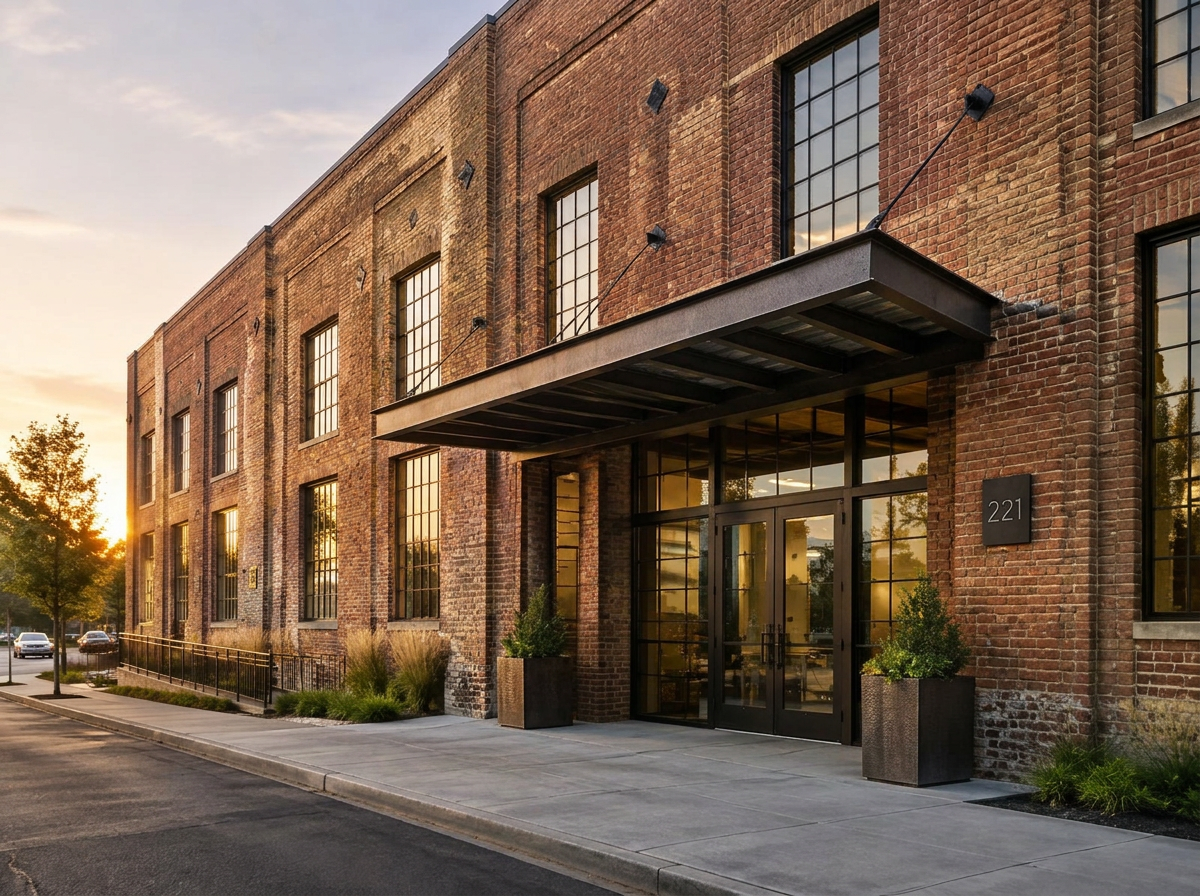
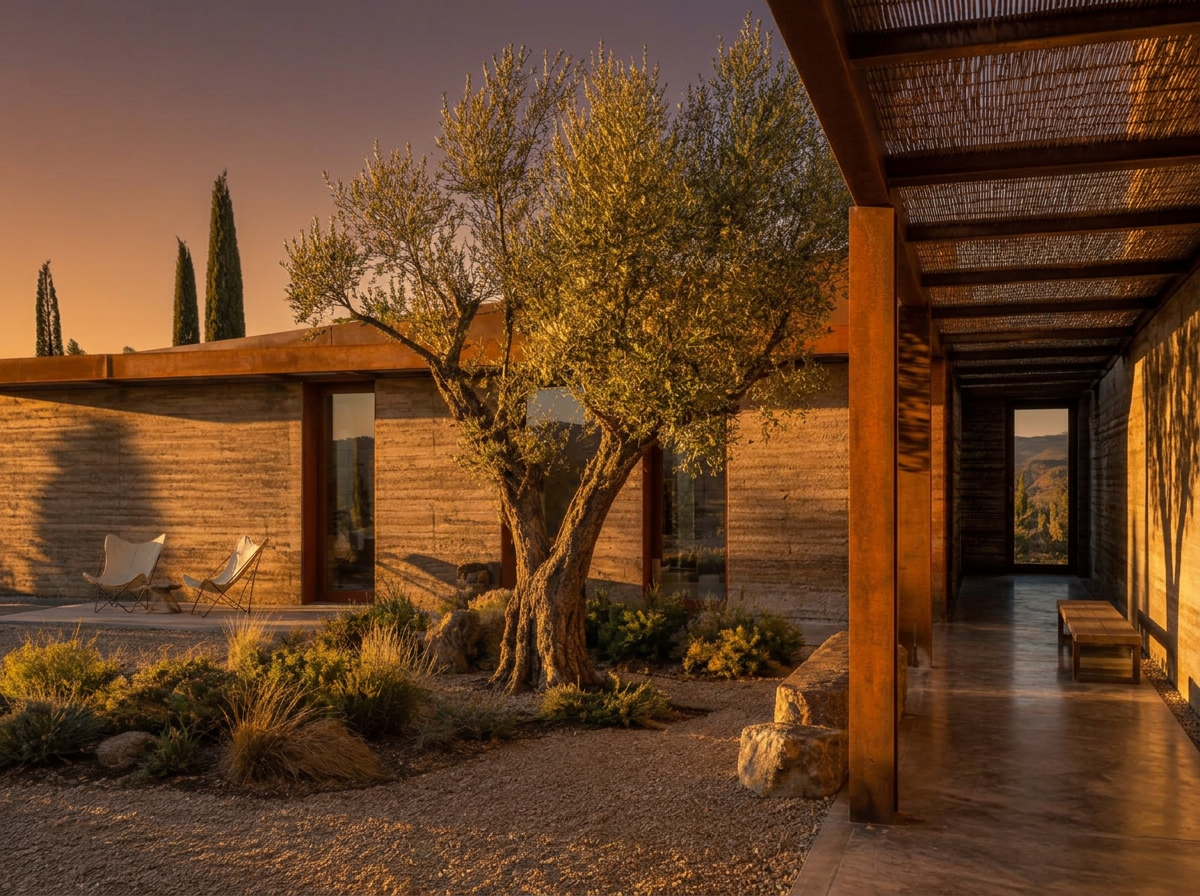
Warehouse reuse, golden hour street
P. Novak · Blender + Cycles
Light5.0
Materials4.8
Composition5.0
Board score
73 votes4.91 / 5
73 votes4.91 / 5
0/280
Tutorials · Breakdowns · Software guides
ArchVizDaily teaches arch viz the way studios actually work: real project files, full render settings, and honest breakdowns from clay to final frame.

120 articles
Definitions, workflows, career paths and the software landscape, the hub everything links back to.
02.30 articles
Site context, vegetation, HDRI lighting and post-production for exterior shots that sell.
03.24 articles
Daylight studies, fabric and wood shaders, camera composition and the art of believable clutter.
04.7 articles
Lumen, Nanite, datasmith pipelines and building interactive walkthroughs clients can explore.
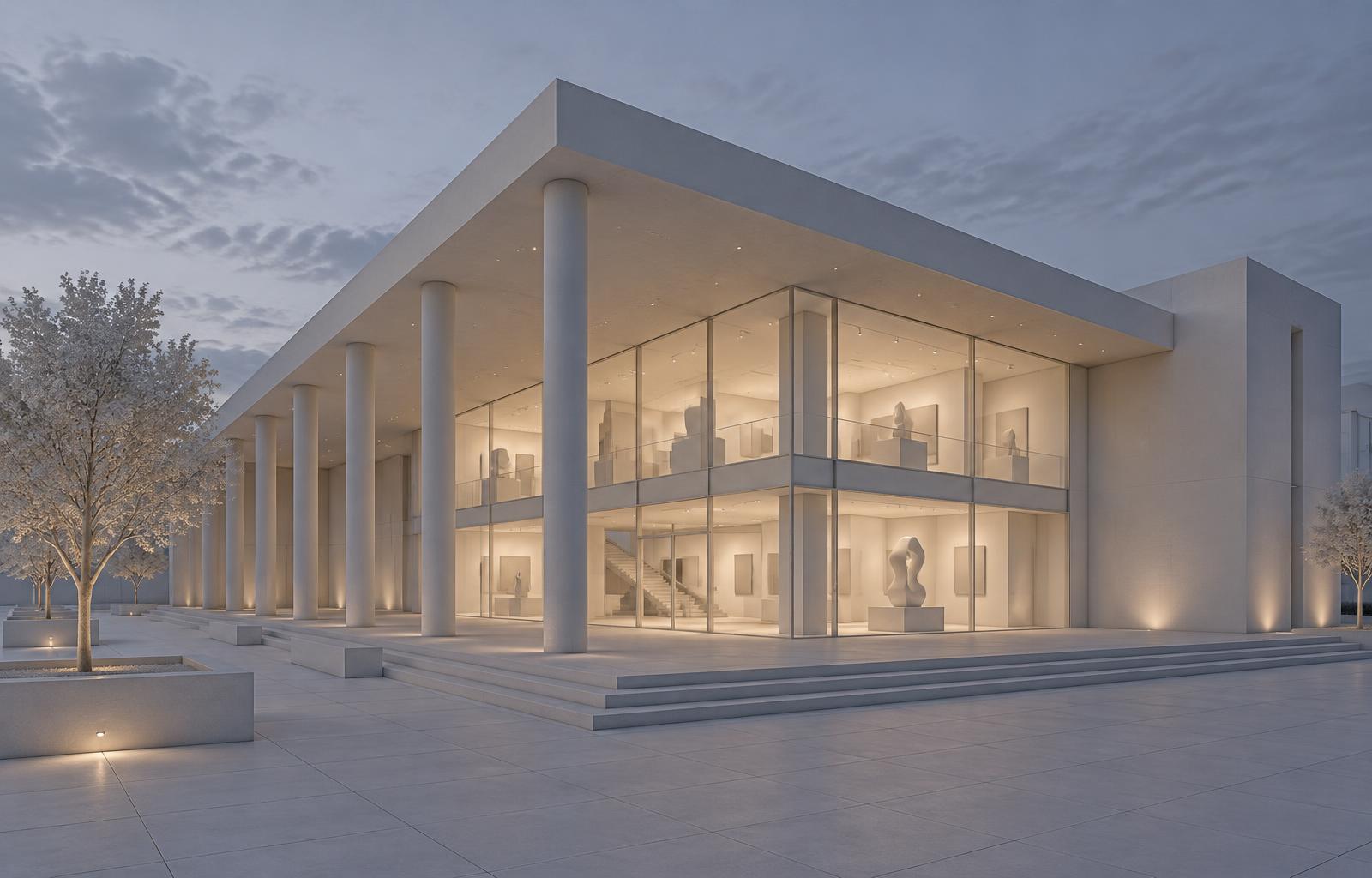 WORKFLOW
A clay render is an argument about form, light and proportion, not a finish pass that failed. How to pick the clay material, light the scene so shape reads, and present the image so a client trusts it.
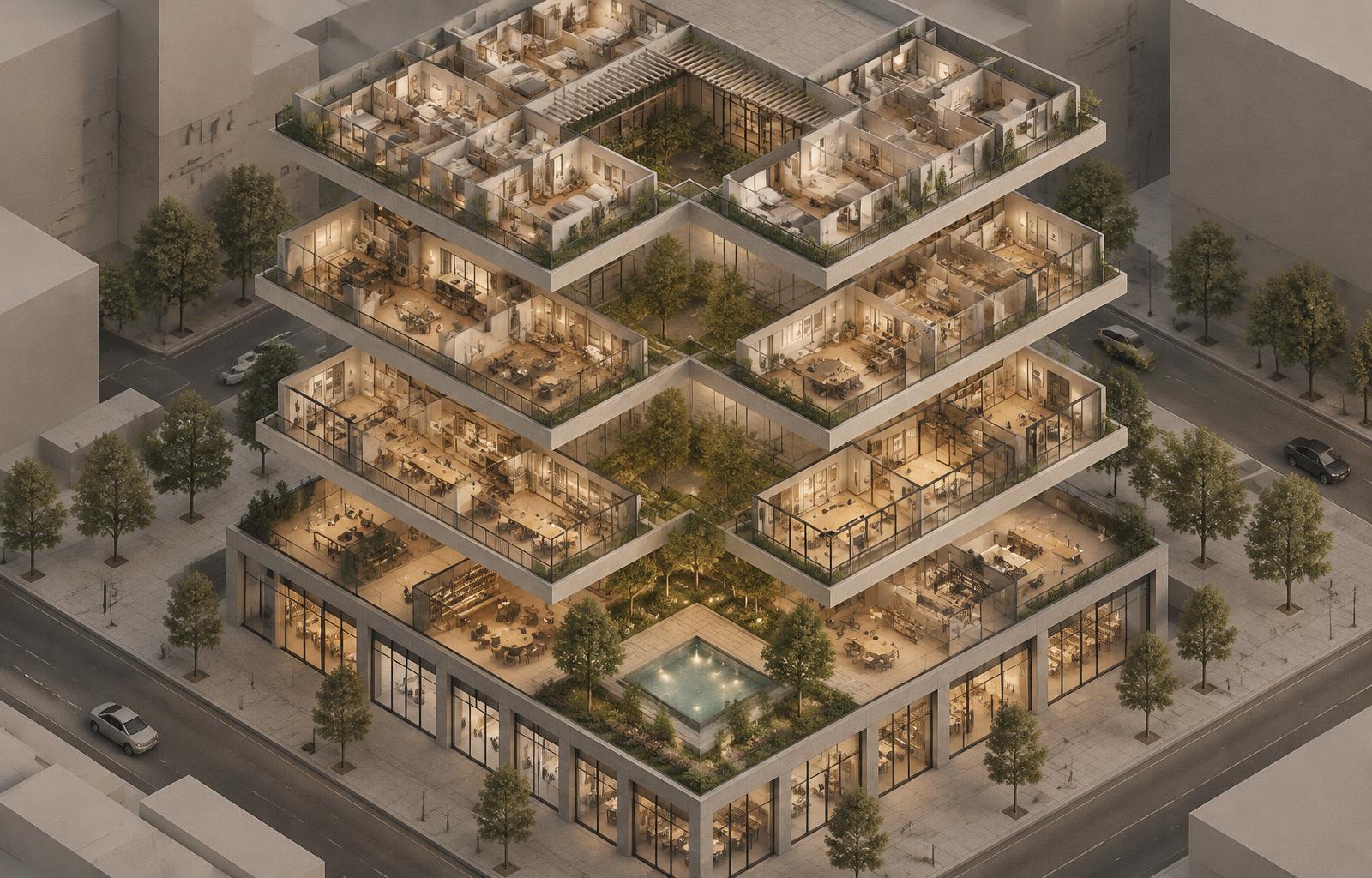 TUTORIAL
Orthographic views keep parallel lines parallel, which is why they explain stacking, plan and assembly better than any photoreal perspective. How to set one up, light it, and keep it from looking like a spreadsheet.
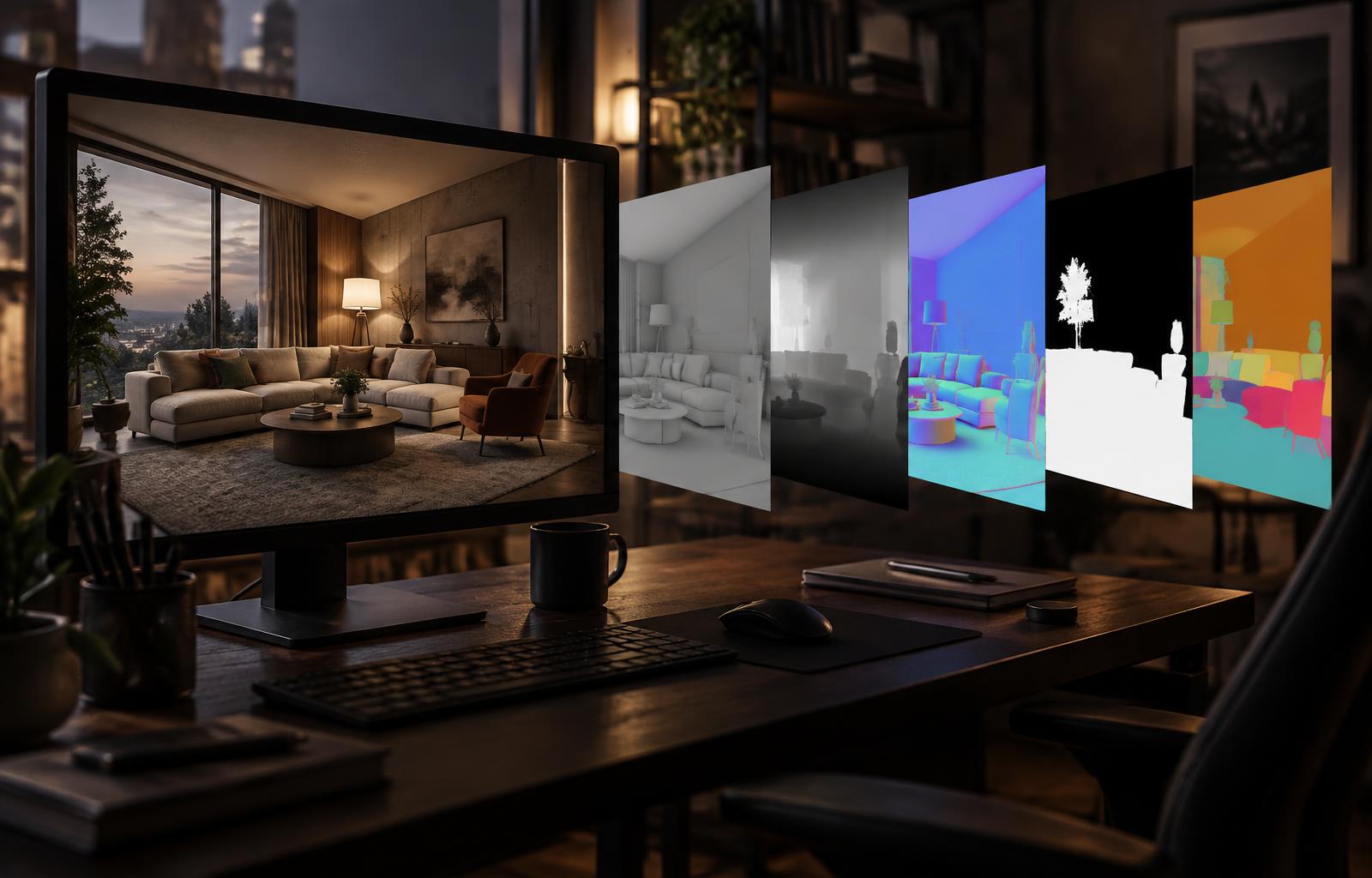 WORKFLOW
Depth, normals, material IDs, light mix and ambient occlusion turn a ten minute fix into something other than an overnight re-render. The pass set worth exporting from V-Ray, Corona and Blender, and the ones to skip.
 WORKFLOW
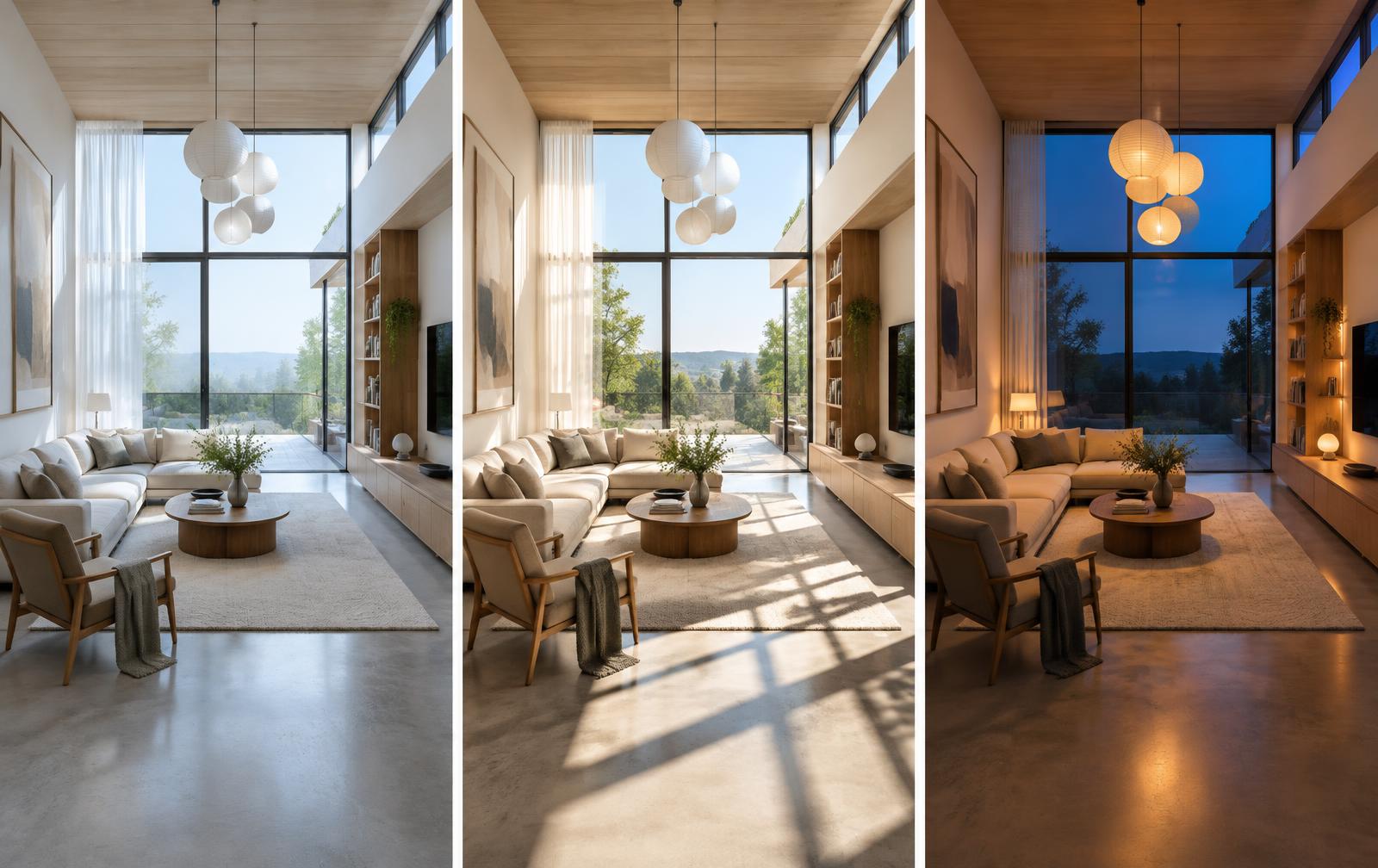
Clients rarely ask for one lighting mood; they ask to see the options. How to build a single scene that renders cleanly at three or five hours, keep the camera and grade consistent, and present the grid so the decision lands in one meeting.
 WORKFLOW
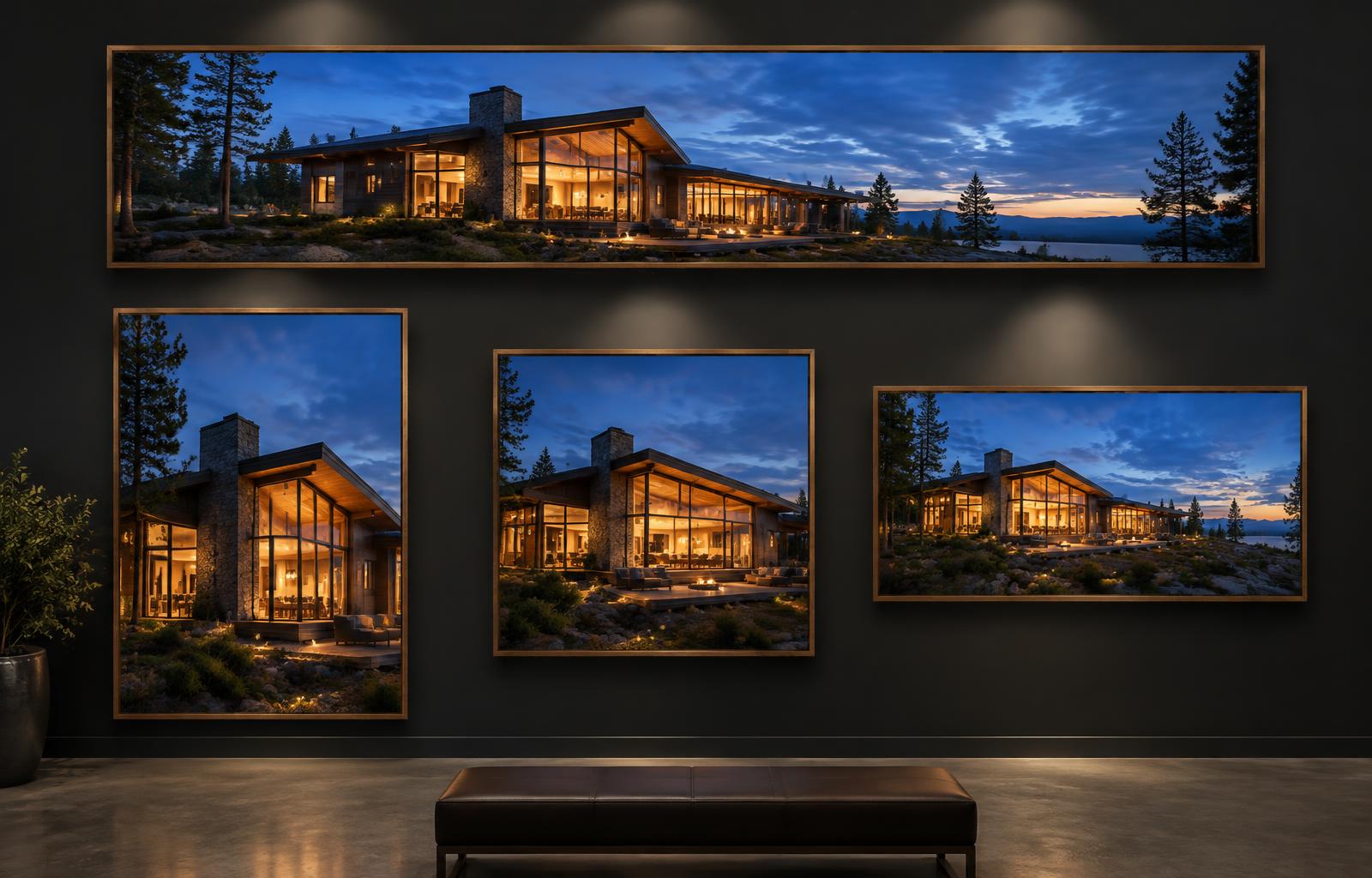
A hero render now lives on a website, two social platforms, a listing portal and occasionally a printed panel, each with a different frame. How to design the master shot for cropping, recompose rather than squash, and deliver every ratio without re-rendering.
 TUTORIAL
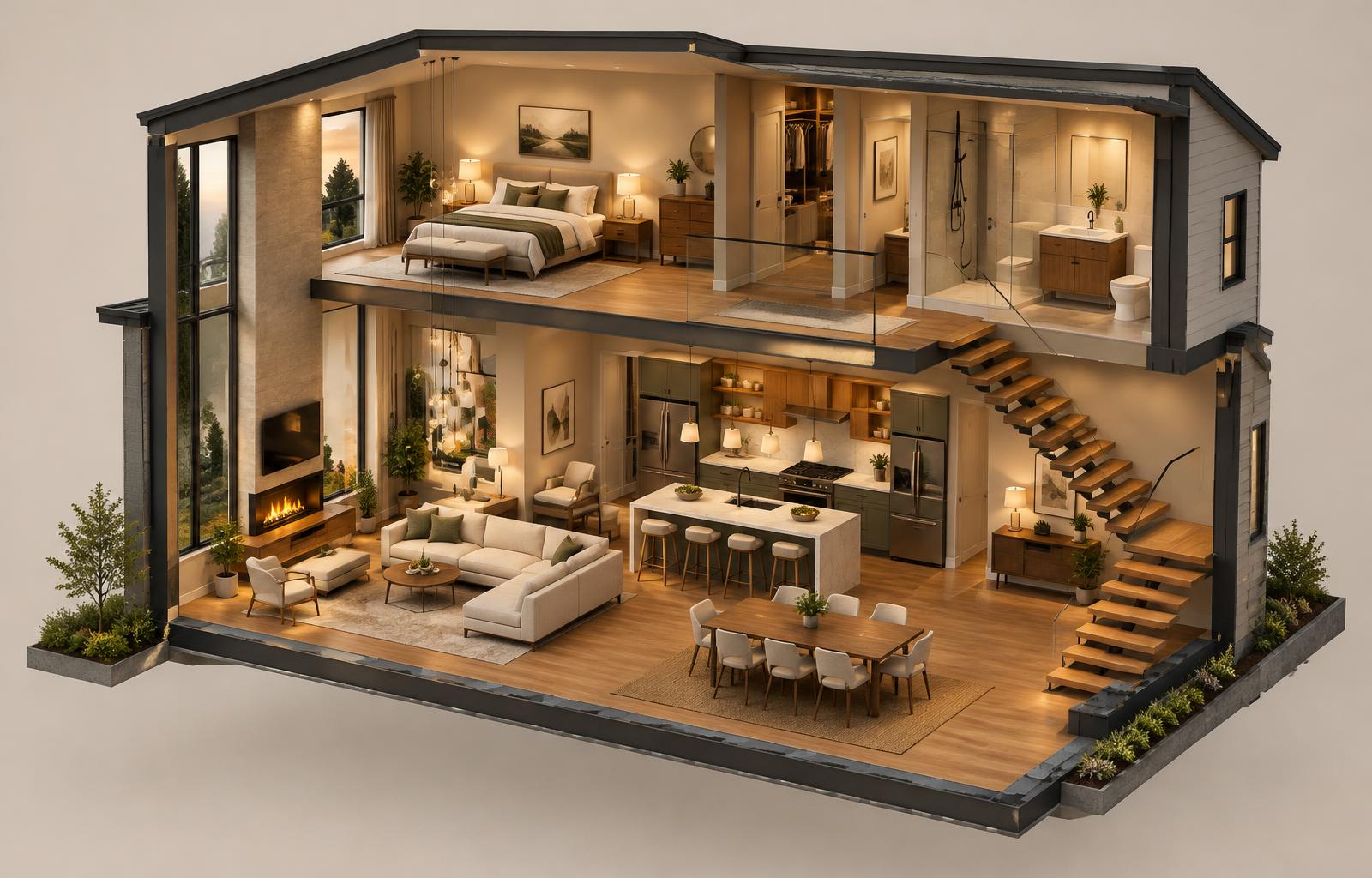
The dollhouse view sells a floor plan the way no camera tour can: every room, both floors, one image. How to model for the cut, choose the tilt, light rooms that have lost their ceilings, and keep the result elegant rather than toy-like.
Renders judged the way a studio judges: light, materials, composition. Score each from 1 to 5 and the board re-ranks live. Top render earns a full pass-by-pass breakdown next issue.
P. Novak · Blender + Cycles
R. Haddad · V-Ray 7
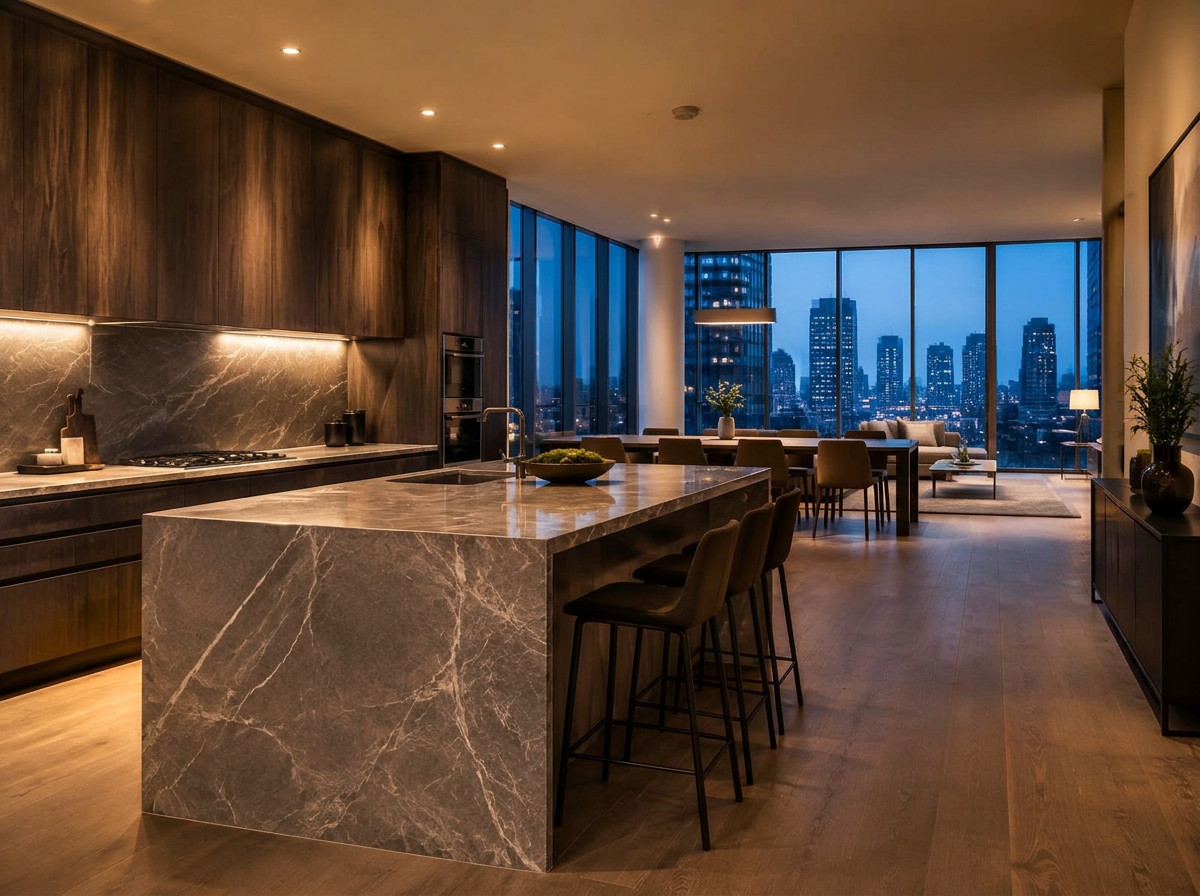
D. Ferreira · V-Ray 7
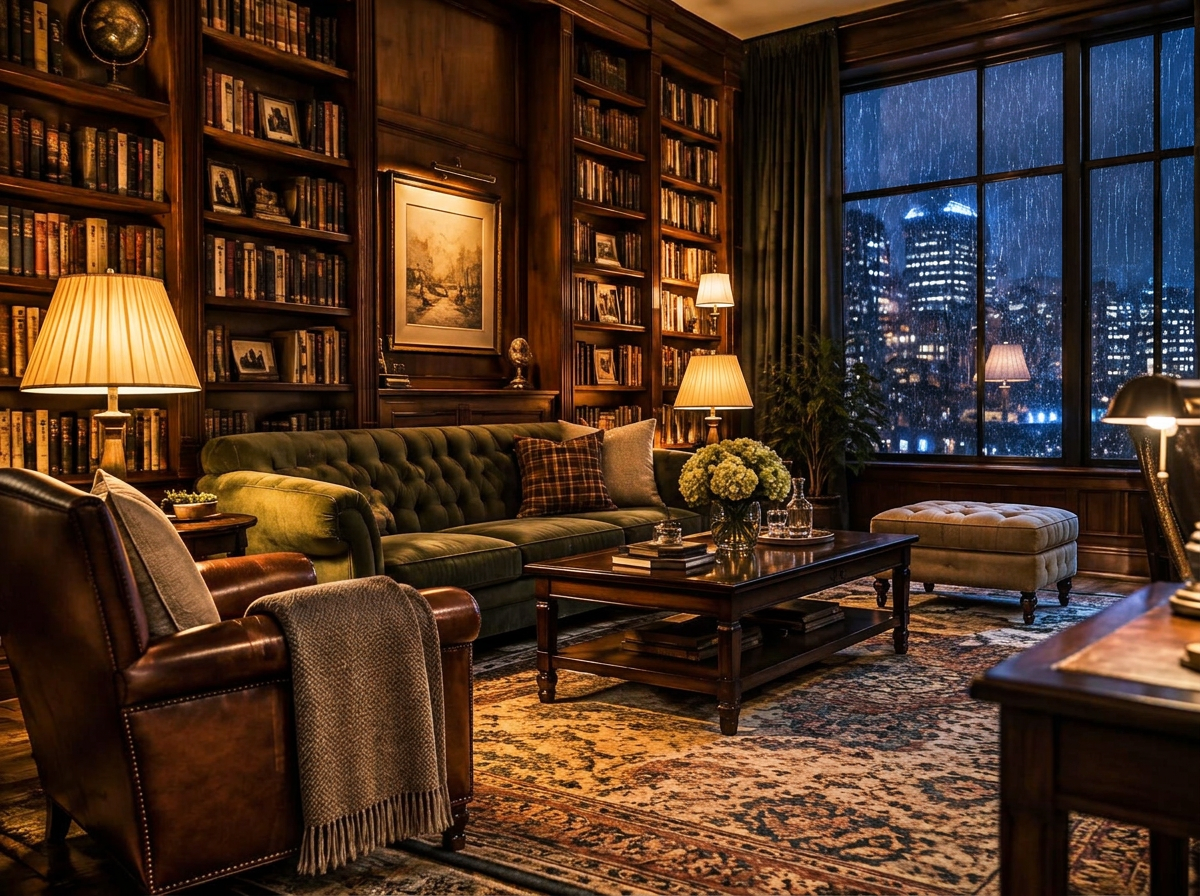
E. Marchand · Corona 12
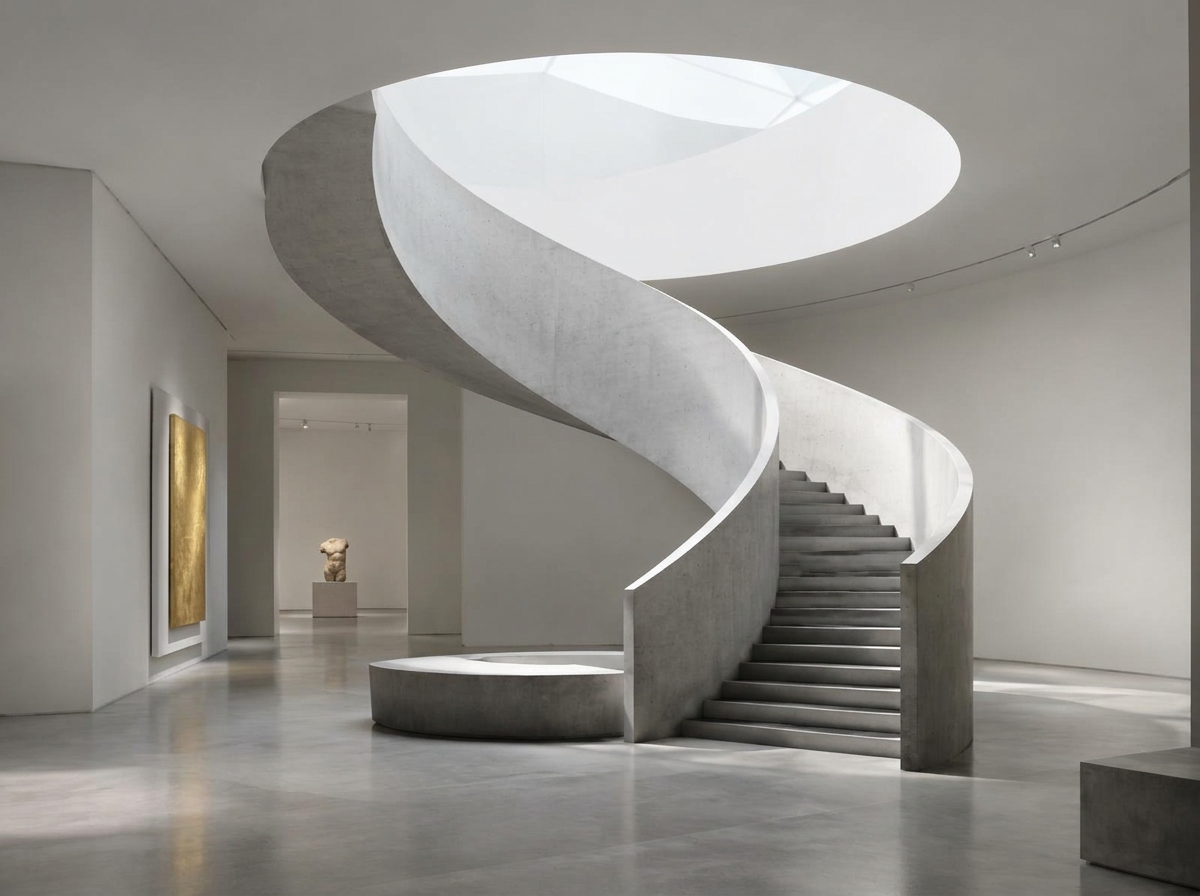
L. Weiss · Corona 12
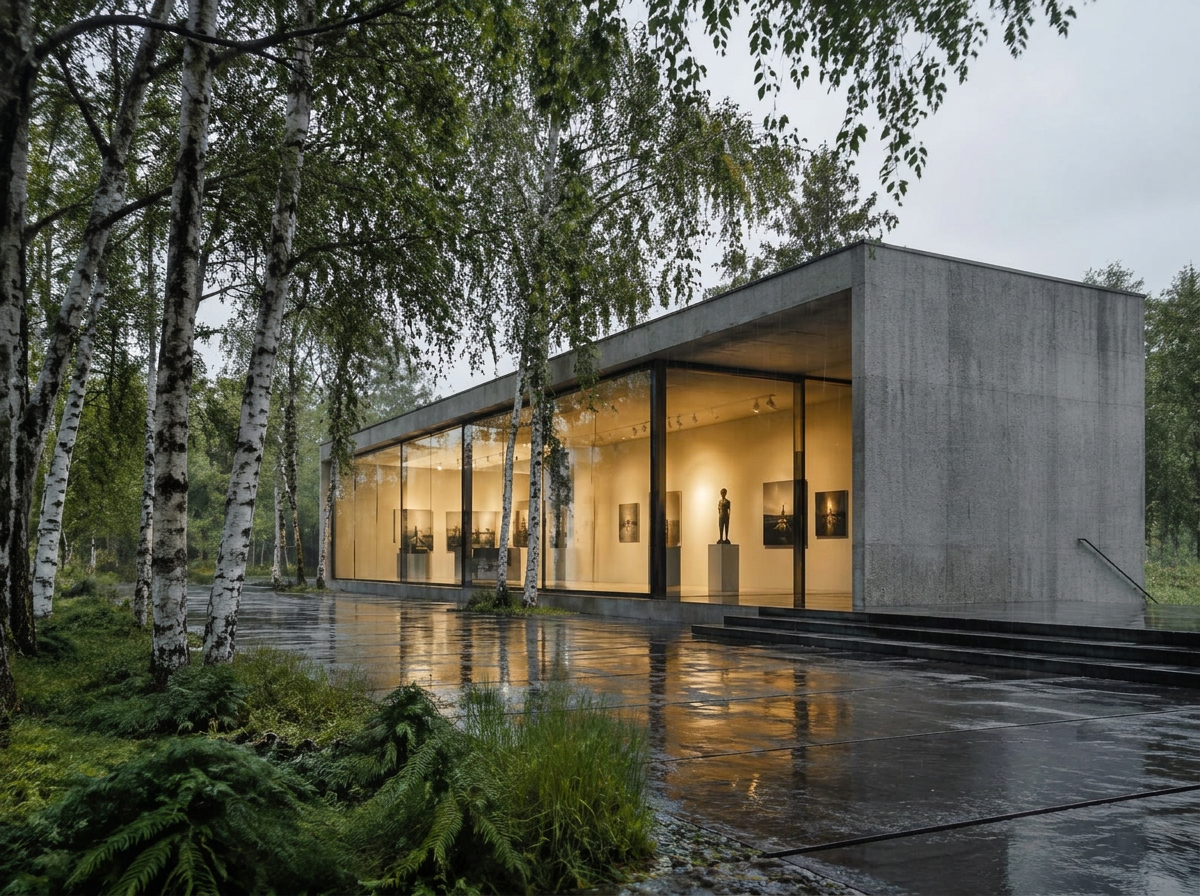
K. Tanaka · Corona 12
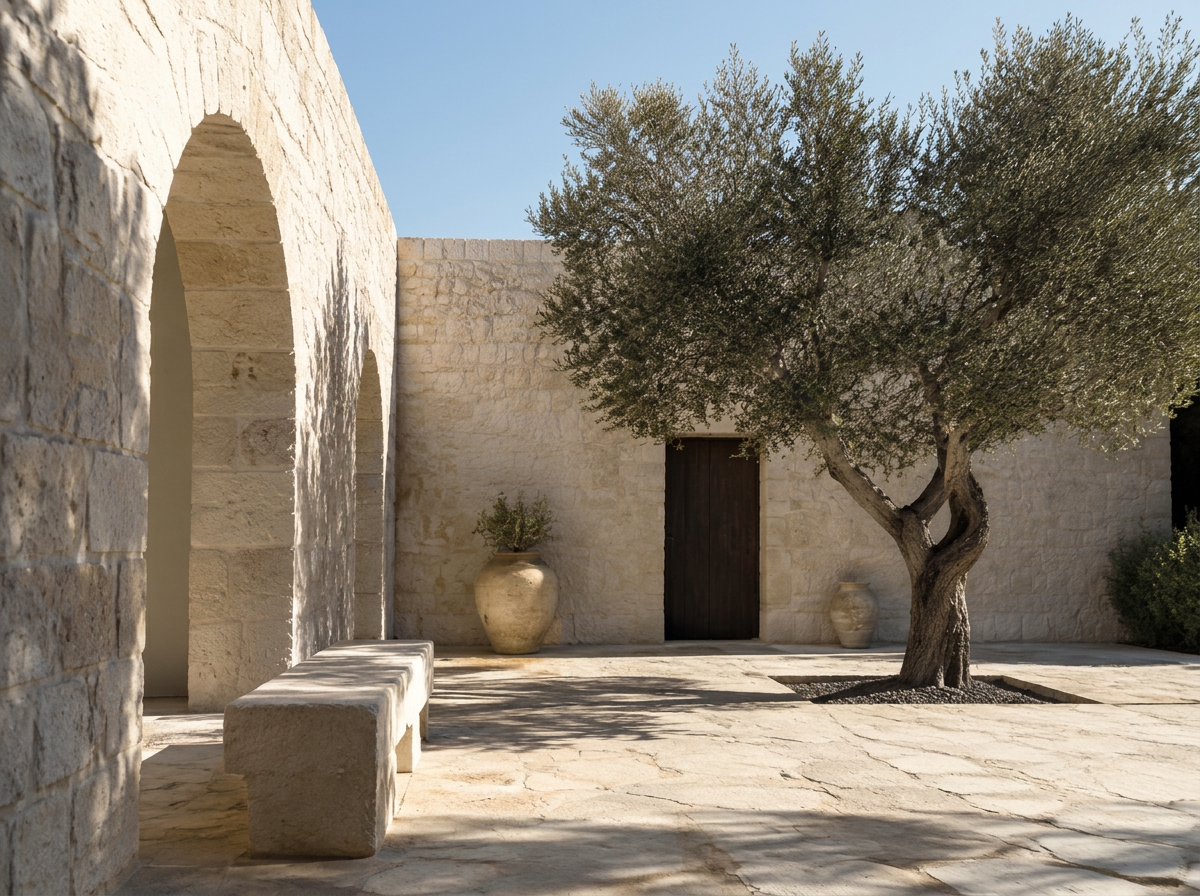
A. Ruiz · V-Ray 7
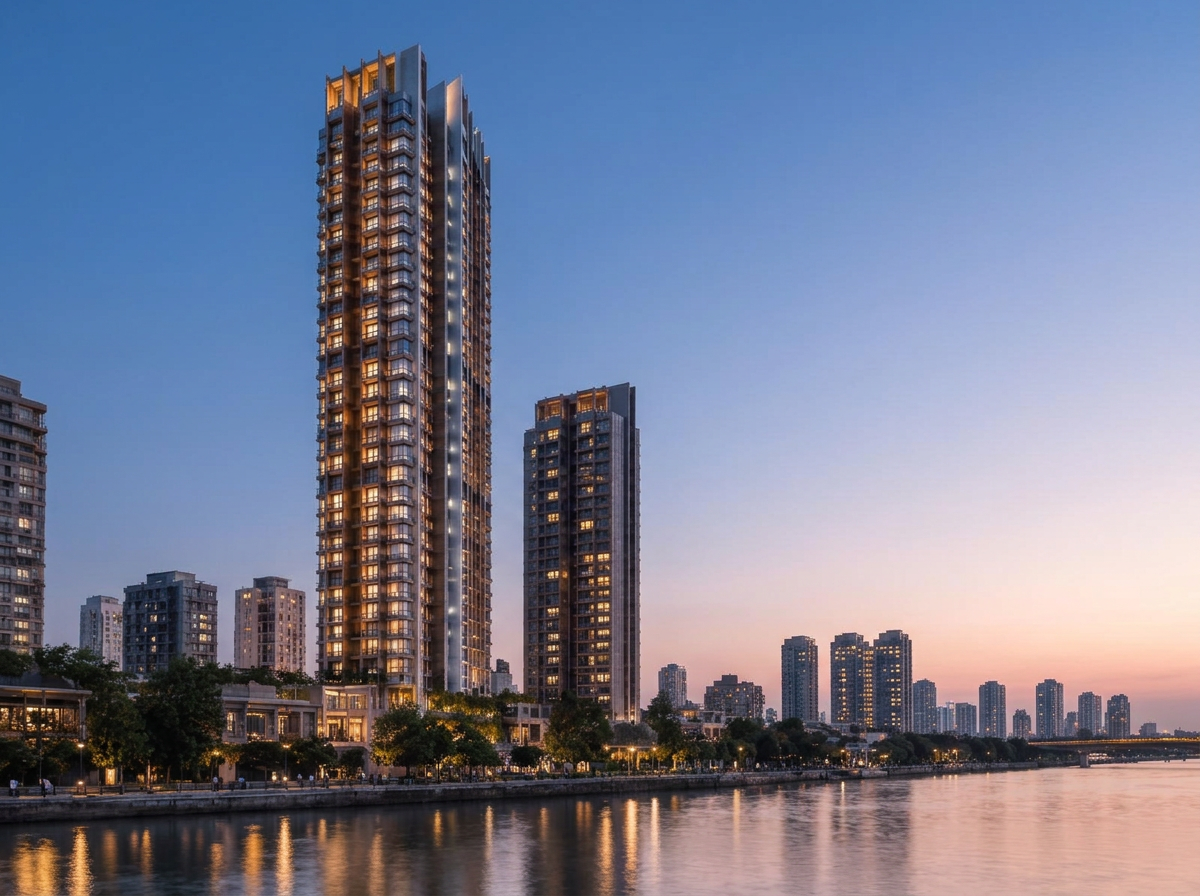
M. Okafor · Corona 12
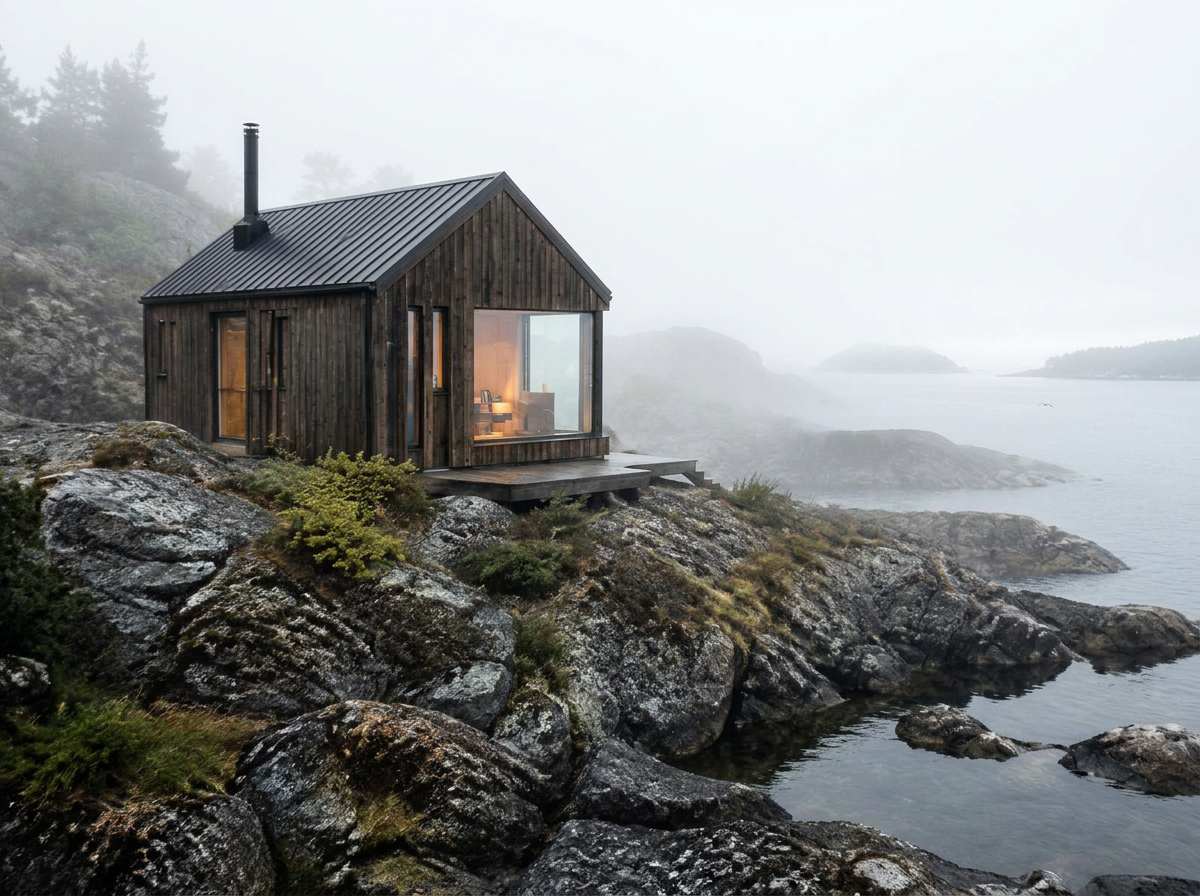
S. Lindqvist · Blender + Cycles
Scores reset every Monday · See past winners · Voting is anonymous, one ballot per criterion.
Architectural visualization (arch viz) is the craft of turning unbuilt architecture into images, animations and interactive experiences, using 3D software to communicate a design before it exists.
Most studios pair a modeling package (3ds Max, Blender, SketchUp) with a renderer (Corona, V-Ray) or a real-time engine (Unreal Engine 5, Twinmotion, D5).
Freelance exterior stills typically range from $300 to $1,500+ per image depending on complexity, revisions and market; studio work and animation run higher.
With focused practice, expect 6–12 months to portfolio-ready exteriors and interiors.
Scene files, render settings and post-production recipes from working arch viz artists. No render-farm spam.
Free weekly notes. Unsubscribe anytime.