AI · Midjourney v7, Nano Banana, Stable Diffusion XL
Prompting AI image generators for architecture without the generic AI look
The prompt patterns I actually use in Midjourney and Nano Banana to get architectural output that reads as a considered render, not a stock photo pastiche.
 AI
AIMost of the AI concept boards I see from other studios have the same problem. They look like AI. Not in a mystical way, just in the boring, repetitive, over saturated, wet floor, symmetrical staircase way that gives away the model within a second. Fixing that is mostly a prompting problem, and after a couple of hundred client concepts I have a pretty settled approach.
The first rule is stop describing the building. That sounds backwards. What I mean is stop leading the prompt with words like modern, minimalist, luxury, and stunning. Every AI model has been trained on real estate listings and Pinterest boards that use those words, so the moment you type them the output collapses toward the same visual cliches. Instead, lead with the specific architectural language a real architect would use. Board formed concrete. Standing seam metal roof. Brise soleil. Perforated corten screen. Rammed earth wall. These pull the model into a much more considered space.
The second rule is give the model a time of day and a weather condition. AI models render lighting the way humans do, based on associations. A prompt that ends with warm afternoon light in early October produces different geometry than the same prompt with overcast morning light in February, because the model has learned that certain building types get photographed at certain times. Being specific about time and weather is essentially free and it makes the output twice as usable.
The third rule is name the lens or the framing but not the camera. Saying 35mm lens works. Saying wide angle interior works. Saying shot on Hasselblad H6D 100c does not work, because the model has no useful mapping from that brand to any specific look. It will just pull toward marketing images that happened to mention that camera. Focal length and framing, yes. Camera brand, no.
The fourth rule is include a negative constraint even in models that do not officially support negative prompts. In Midjourney v7 you can add no lens flare, no wet floors, no starburst highlights and it will bias the output away from those cliches. Nano Banana handles it slightly differently but the same trick works if you phrase it as avoid rather than no. These four words on the end of a prompt do more for realism than any style word at the start.
The fifth rule is aspect ratio matters more than most people realise. Architecture generated at 1:1 tends toward centred hero shots. Architecture at 16:9 tends toward cinematic framing with side interest. Architecture at 3:4 tends toward magazine style interior compositions. Choosing an aspect ratio deliberately is a compositional decision as much as a technical one, and switching aspect ratios can rescue a prompt that was giving you generic output.
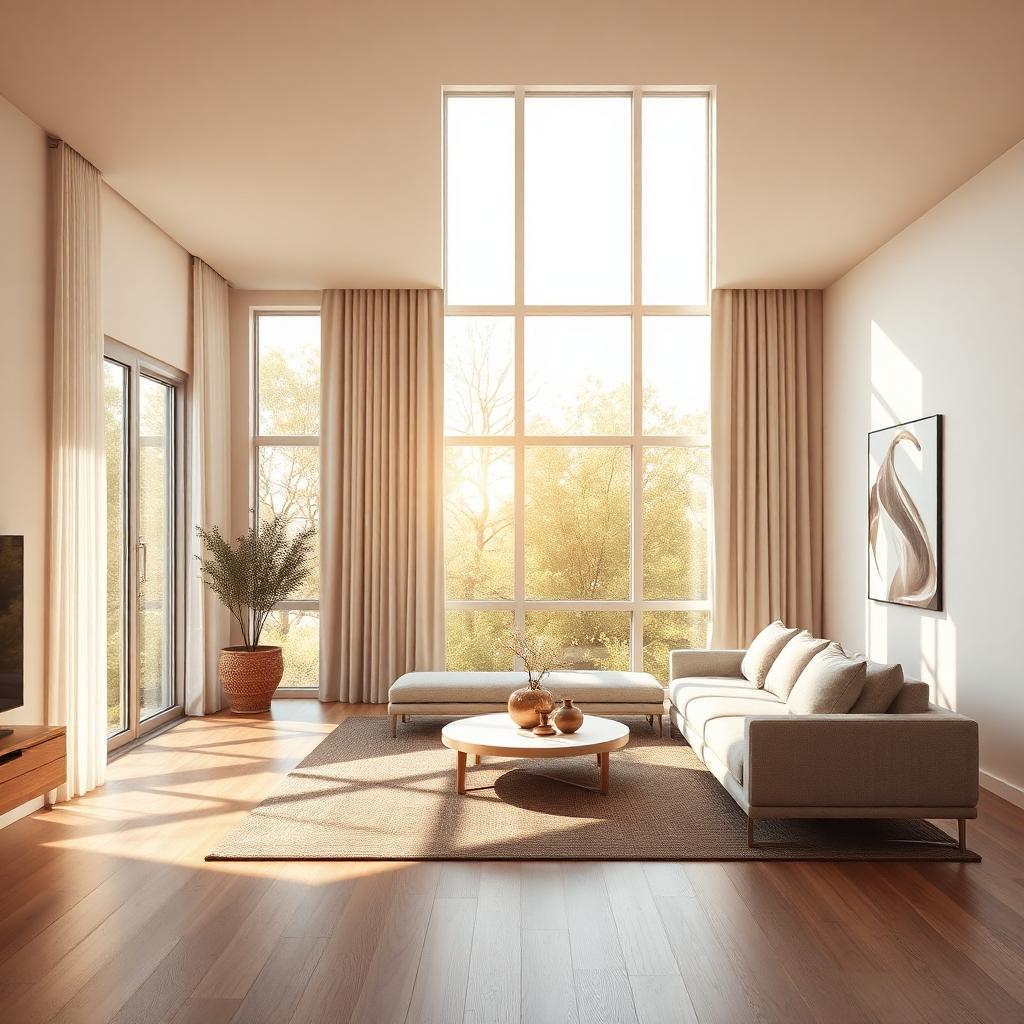
For interior concept boards, the prompt structure I use looks like this. Interior of a specific room type, one material for floors, one for walls, one for cabinetry or focal element, one lighting condition, one framing note, one avoid list. So for example, interior of a compact family kitchen, oak plank floors, warm white walls, dark green matte cabinetry, morning light from a single east window, 35mm wide framing, avoid stock photo styling and lens flare. Six clauses, no fluff, and the output is 80 percent of the way to something a client can react to.
For exterior concept boards, the structure is nearly identical but you swap room type for building type and add site context. Contemporary hillside residence, board formed concrete base, timber cladding above, oxidised copper roof, autumn afternoon light with soft haze, three quarter view from lower on the slope, avoid oversaturated grass and mirror pool foreground. The site context in the last clause is what separates a real architectural concept from a stock render.
For urban and mixed use work, the trick is to name the city character rather than a specific city. If you write Copenhagen the model gives you a slightly tourist board version of what people associate with Copenhagen. If you write Northern European brick and stucco streetscape with heavy grey sky, you get a much more grounded and useful concept image. Naming actual cities pulls the model toward landmarks. Naming character pulls it toward atmosphere.
The reroll question comes up often. My rule is three rerolls maximum on the same prompt. If three rerolls have not given me anything worth showing the client, the prompt is wrong, not the model. Change the wording, change the aspect ratio, change one specific noun. Rerolling the same prompt hoping for a lucky output is how you burn a whole afternoon.
There is one habit that saves me a huge amount of time and I recommend it to everyone. Keep a prompt library. Every time a prompt produces a genuinely strong result, save it to a text file with a note about which client, which project, and which model. Over a year you build a personal library of a few hundred proven prompts, and starting a new concept board becomes a matter of picking the closest one and modifying two clauses, rather than starting from scratch. It is the difference between an hour a board and 15 minutes a board.
The last thing to name is that AI concept boards are still concept boards. They are not the final image. If a client sees a great AI concept and asks you to just use that, the honest answer is that the AI image is a mood, not a building. The 3d pipeline still owns the accurate rendering of the actual design. The AI concept helps you and the client agree on where you are heading before you start building the model, which is genuinely valuable, but it does not replace the work that comes after.