Workflow · Any renderer
Design development renders vs marketing renders: they are different jobs
The DD render exists to help the architect make a decision. The marketing render exists to sell an apartment. These need to be lit and staged completely differently.
 WORKFLOW
I keep meeting artists who render every project the same way, whether the deliverable is for the design team's Tuesday review or for the developer's Instagram launch. These are completely different jobs and treating them the same way is why the DD render gets ignored and the marketing render feels overworked. This is a distinction I wish I had understood earlier in my career.
A design development render exists to help the design team make a decision. The client here is an architect and they need to see whether the corner detail works, whether the balcony proportion is right, whether the material palette hangs together as a whole. Everything else in the image is a distraction from that decision. Bright sunlight, lush landscaping, people walking through, a dramatic sky. All of it pulls the eye away from the thing the architect is actually trying to evaluate.
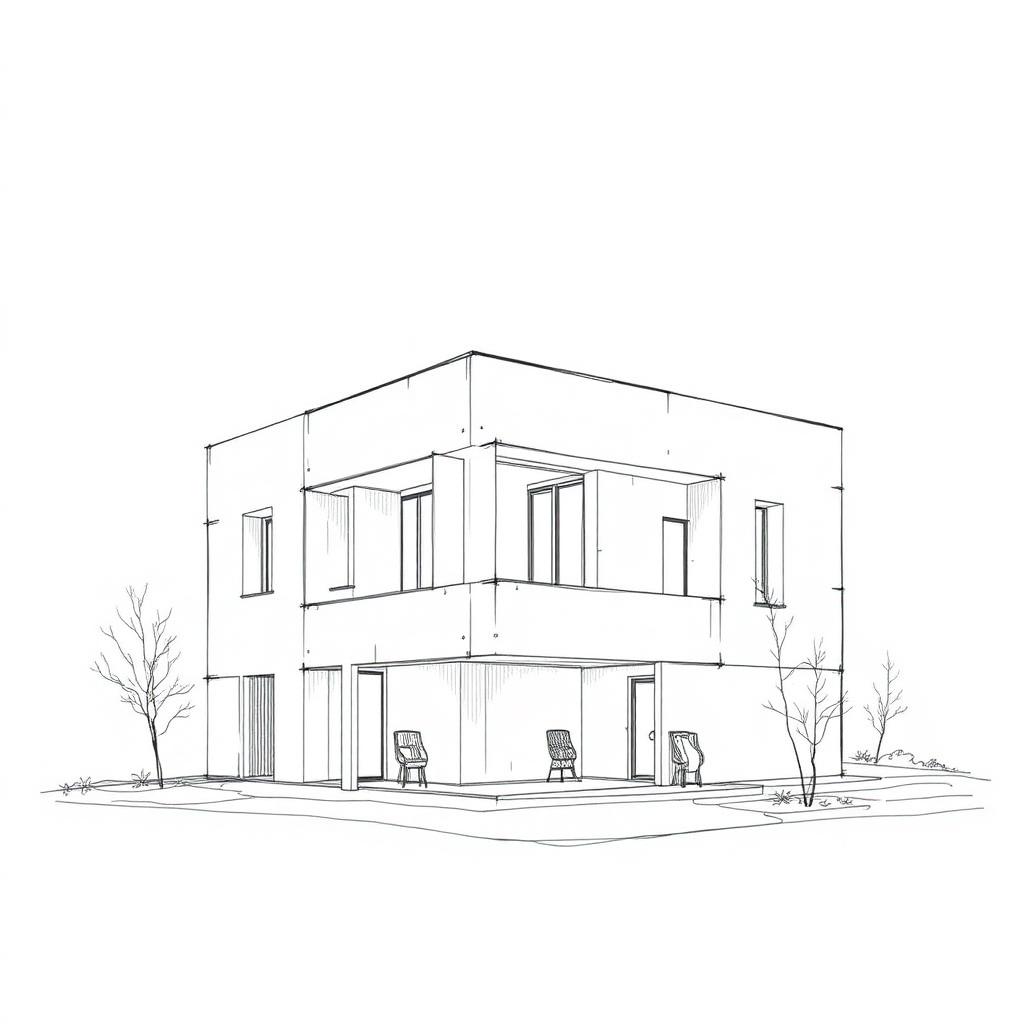
For DD renders I use a neutral studio grey material as my default. All materials read at similar tonal value so the eye reads the form rather than the finish. Overcast sky lighting because it flattens shadows and lets you see the massing. No entourage beyond one or two silhouetted people for scale. No color grading, no bloom, no post effects. The image should look almost like a physical study model photographed in a studio, because that is exactly what the architect wants to reference.
When the architect has made their decision, the DD render is finished. Do not try to make it beautiful. Beauty at the DD stage confuses the review. I have watched a review meeting go sideways because the DD render made a building look so appealing that the design team stopped critiquing it. This is not what you want. You want the design team to keep critiquing, so your DD render should be honest but plain.
A marketing render is a completely different beast. This one exists to make someone feel something. Almost always to make them want to live or work in the building. Sunlight, atmosphere, life. All the things I told you to strip from the DD render belong in the marketing render, cranked up as high as taste allows. The materials should be at their most flattering, the light at its most cinematic, the entourage should tell a story about the kind of person who lives there.
For marketing renders I use golden hour lighting almost by default because it makes almost every building look better. I stage the interior so there is evidence of life. A book open on a table, a wine glass, a jacket on the back of a chair. These things read subliminally and they tell the viewer this is a place someone lives, not a place that could exist. Marketing renders that skip this feel like real estate listings and that is a downgrade.
The mistake I made for years was trying to make DD renders that were also good marketing renders, and marketing renders that were also good decision tools. Neither one worked well. Now I have separate scene files for DD and marketing versions of the same project, with different materials, different cameras, and different lighting rigs. It takes maybe a day more per project to maintain the split and it has completely changed how my work is received in both contexts.